How To Test Light Bulb Socket With Multimeter

How to test light bulb socket with multimeter
Testing a Light Socket with the Breaker Off Switch off the circuit breaker to the socket. Then test the socket by attaching the continuity tester clip to the hot screw terminal (black wire) and touching the probe to the socket's metal tab. If the tester doesn't respond, the socket must be replaced.
How do I test a socket with a multimeter?
Always start with the neutral wire first before connecting to the hot if you connect to the hot side
How do you check a tail light socket with a multimeter?
Put it in the ohms. Our red lead and the voltones jack and a black lead in the common. Test our
Can I test a light bulb with a multimeter?
The reading on your multimeter is the easiest way to tell if your light bulb is working well. The multimeter tests the continuity of your circuit, which is necessary for a bulb to function.
How do you know if your light sockets are bad?
The socket may have gone bad Push the point of the tester through the wire insulation behind the socket to make contact with the wire. The tester should light for two of the three wires (the ground wire won't light). If it lights for two wires, the wiring is good. Simply replace the socket.
How do you test if a socket is working?
Set a multimeter to measure voltage. Insert a probe into each slot and read the line voltage measurement. A properly working outlet gives a reading of 110 to 120 volts. If there is no reading, check the wiring and the outlet.
Can I touch a live wire with a multimeter?
A multimeter will measure the voltage of a live wire if it is placed in a common port. A voltage reading of zero means there is no current flowing through the wire. In cases where a live wire is twisted by accident, it can be safely touched. A multimeter can measure the voltage, resistance, and amperes of a current.
Can you get shocked using a multimeter?
Safety Tip: Never touch the metal tip of the multimeter while testing with live current. You could get an electrical shock.
Can I use multimeter for wall socket?
A multimeter is one of the best tools for testing and diagnosing a plug socket. You can use it to check whether the socket is live, how much voltage it is putting out, whether the wires are reversed and many other things.
Can a light socket go bad?
Bad socket: The socket for a lightbulb can go bad, just like the bulb itself. A dirty socket or a flattened one will stop working. The best solution is to have the socket changed if this is a permanent light fixture. (If it's a basic plug-in lamp, we recommend buying a new one.)
How do you fix a light bulb socket?
Instructions
- Turn off the Power.
- Remove the Globe. ...
- Test for Power. ...
- Loosen the Fixture and Test for Power. ...
- Disconnect the Wiring. ...
- Remove the Socket. ...
- Install the New Socket. ...
- Reinstall the Fixture.
How do you check continuity in a light fixture?
Turn the power off to the socket. Test the socket by attaching the clip of the continuity tester to the hot screw terminal, the black wire lead. Then, touch the probe to the metal tab in the bottom of the socket. The tester should glow.
How do I know if a light bulb is blown with a multimeter?
So what you do I have my multimeter. Here. It's set on this setting there you see the resistance.
How many ohms should a light bulb have?
Temperature coefficient of resistance for tungsten The typical cold resistance of a 100 W incandescent lamp is about 9.5 ohms.
At which voltage the bulbs are tested?
Common voltages are 120V, 130V, or very low-voltage bulbs like 12V. The watts refer to the work that can be done by the electric current, in this case, how brightly a bulb will burn.
How do you test for a bad socket?
First, check the circuit breakers and GFCI receptacles to see if any of them are tripped (see GFCI Wiring Configurations). The best way to test a receptacle, including a GFCI, is with a receptacle tester. A test may be done to determine if power is present at the receptacle or if it is wired properly.
What causes light sockets to stop working?
Common causes when a wall socket stops working include: Failed internal socket connections, which is common in older outlets that no longer snugly hold plugs. A tripped circuit breaker that cuts power to the wall socket. Loose connections within the circuit breaker box.
Why are sockets not working but lights are?
If your lights are working but your power points are not working, this is generally due to the safety switch being tripped by a faulty appliance. What is the safety switch? Safety switches provide personal protection against electric shock by monitoring the flow of the electricity through a circuit.
Can a socket just stop working?
So, why do sockets stop working? Sockets can stop working for a number of reasons, including: Overloaded sockets- plugging too many things into one extension cord can overload the socket. This could make your socket stop working completely, but often it will cause the socket to noticeably heat up first.
What happens if a live and neutral wire touch?
When live wire comes in contact with the neutral wire, then the insulation of wires is damaged or there is a fault in the appliance. In such a situation, the current in the circuit abruptly increases. This is known as short circuiting.
15 How to test light bulb socket with multimeter Images
E26 Light Socket Outlet With 2 Prong to 3 Prong Grounding Adapter

How to Use a Multimeter Electrical projects Woodworking table plans

E27 to E14 Lamp Holder Converter Socket Conversion Fireproof Material

First Alert Motion Sensing Light Socket Motion sensing light Motion

Pin on electron2018

Light Bulb Socket Guide Info on Sizes Types Shapes PartyLights

A multimeter configured to measure current on the high amperage setting

How to Use a Multimeter to Measure Voltage Current and Resistance in

Digital Multimeter Crenova MS8233D AutoRanging Digital Multimeters

3Light Phenolic Medium Base Cluster Socket Switchless Lighting Parts

Pin on Electronics HUB

How to Read a Multimeter with Pictures wikiHow Multimeter

E or Edison Screwin Sockets and BasesMadeinChinacom Light bulb
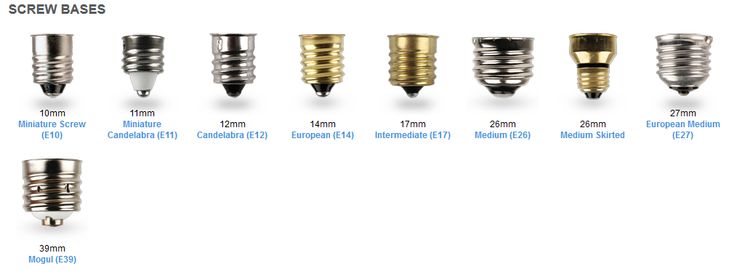
Light Bulb Socket Sizes Chart Garage Sanctum Bulb Light bulb Lamp

Post a Comment for "How To Test Light Bulb Socket With Multimeter"